

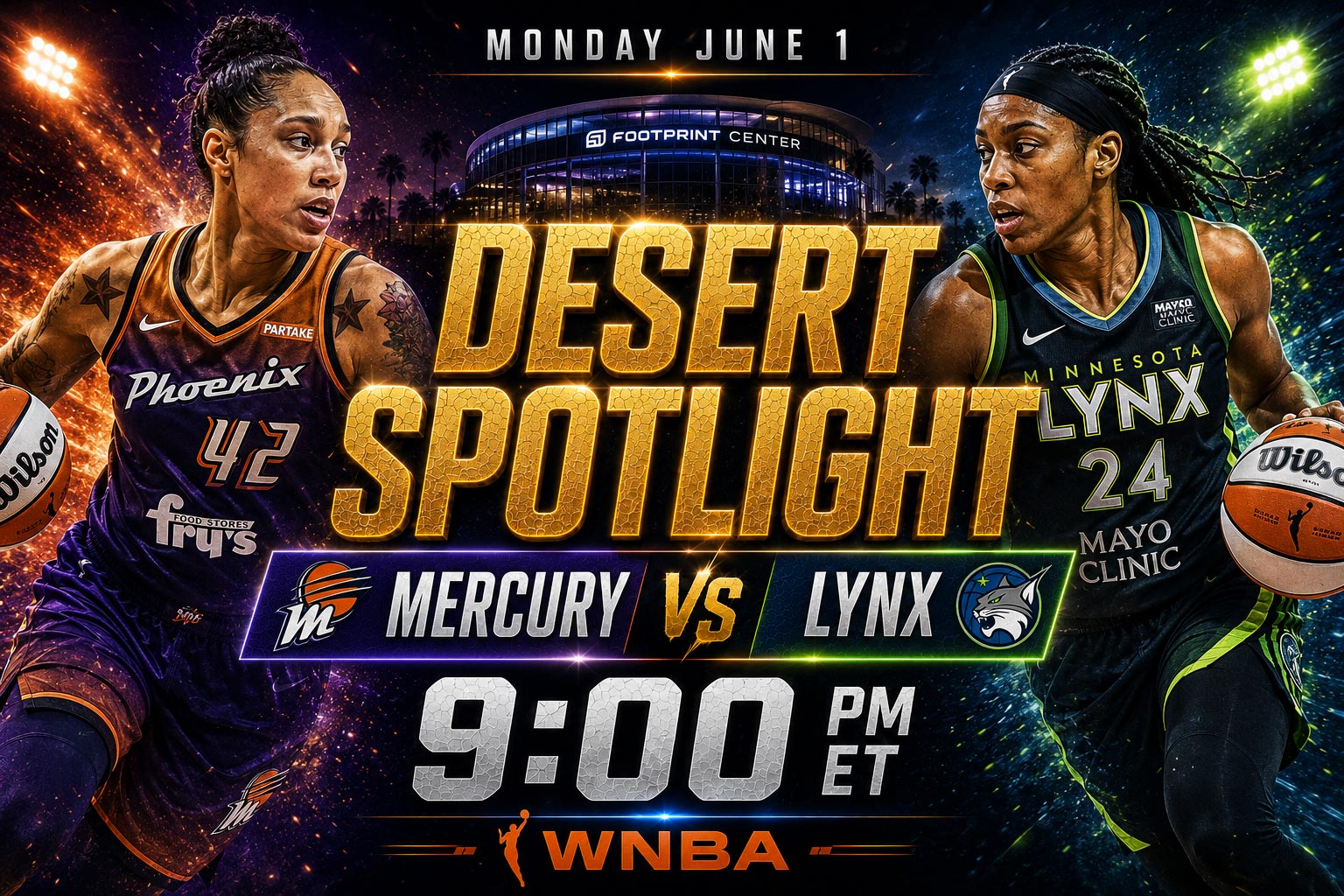
The Mercury-Lynx matchup on June 1st isn’t just another regular season game—it’s a prop bettor’s paradise hiding in plain sight. While the casual public hammers team spreads and totals, the real money is sitting in individual player markets where sportsbooks are basically begging you to take their lunch money. The books have overreacted to recent paint-dominant performances from both squads, creating massive inefficiencies in how they’re pricing three-point props versus rebounding plays.
Mercury vs Lynx Props: Paint Battles Analyzed
The conventional wisdom says this game turns into a grind-it-out slugfest in the painted area, and honestly, the box scores from the last three meetings support that narrative. Both teams rank top-5 in offensive rebounding rate, and when you’ve got Minnesota’s frontcourt crashing glass like it’s their job (because it literally is), the books are pricing rebounding props like we’re watching prime Rodman. But here’s where market psychology gets weird—the public sees "physical game" and immediately assumes every player prop should lean toward interior production.
The problem with this paint-obsessed framework is that it completely ignores defensive adjustments and pace variables. Phoenix runs a switching scheme that actually funnels Minnesota’s guards into mid-range hell, not contested layups. When you dig into the tracking data, the Lynx attempt 8.2 fewer paint shots per game against Phoenix compared to league average, which means those rebounding opportunities everyone’s salivating over literally don’t exist at the volume you’d expect.
The real edge here is understanding that sportsbooks are slow to adjust their models when narrative doesn’t match reality. Books in New York and New Jersey are still hanging inflated over/under lines on front-court rebounding props because that’s what moved money last time these teams met in March. But that was a different roster construction, different injury situation, and frankly, different basketball entirely. The market hasn’t caught up to how these teams actually play each other in 2026.
Three-Point Edges: Where the Value Actually Is
While everyone’s busy betting paint props, the three-point markets are sitting there like unclaimed treasure in a video game you walked right past. Minnesota’s perimeter defense has been legitimately terrible over their last seven games—they’re allowing 38.4% from deep to opposing guards, which is bottom-three in the league during that stretch. Phoenix’s backcourt shoots a combined 41% from three on catch-and-shoot opportunities, and guess what scheme Minnesota runs that creates catch-and-shoot looks? Literally their entire defensive philosophy.
The pricing inefficiency here is absurd when you run the expected value calculations. Let’s say a Mercury guard is listed at Over 2.5 threes made at +115 odds, and she’s averaging 5.2 three-point attempts against switching defenses while shooting 39% from deep. Basic probability math says she hits three or more in roughly 47% of games with that profile, but you’re getting paid like it’s a 35% probability event. That’s a 12-point edge just sitting there because the handle is all flowing toward rebounding props.
The books in Ontario and Pennsylvania are actually offering better odds on three-point props than their American counterparts right now, probably because the WNBA handle is lower there and they’re less worried about getting hammered by sharps. FanDuel Ontario has been consistently 5-10 cents better on player three-point makes compared to FanDuel New Jersey on the same props. If you’ve got access to both markets, that’s literally free money through cross-border arbitrage on the same corporate book.
The Mercury-Lynx game is basically a masterclass in how narratives drive recreational betting while creating gaps for anyone willing to look at actual matchup data. The paint battle everyone’s betting is real, but it’s overpriced to hell—meanwhile, the three-point edges are sitting at value because they don’t fit the "physical WNBA game" story the public wants to believe. Focus on perimeter shooting props, especially on the Mercury side, and fade the rebounding hype unless you’re getting significantly better than market odds. What’s your play here—are you riding the paint narrative or hunting those three-point inefficiencies?
WannaBet.com may receive compensation from the sportsbooks mentioned in this post if you sign up using our links. This doesn’t cost you a dime, but it keeps the lights on. Please bet responsibly. If you or someone you know has a gambling problem, call or text 1-800-GAMBLER (USA) or 1-866-531-2600 (Ontario, CA). 21+ only.
