

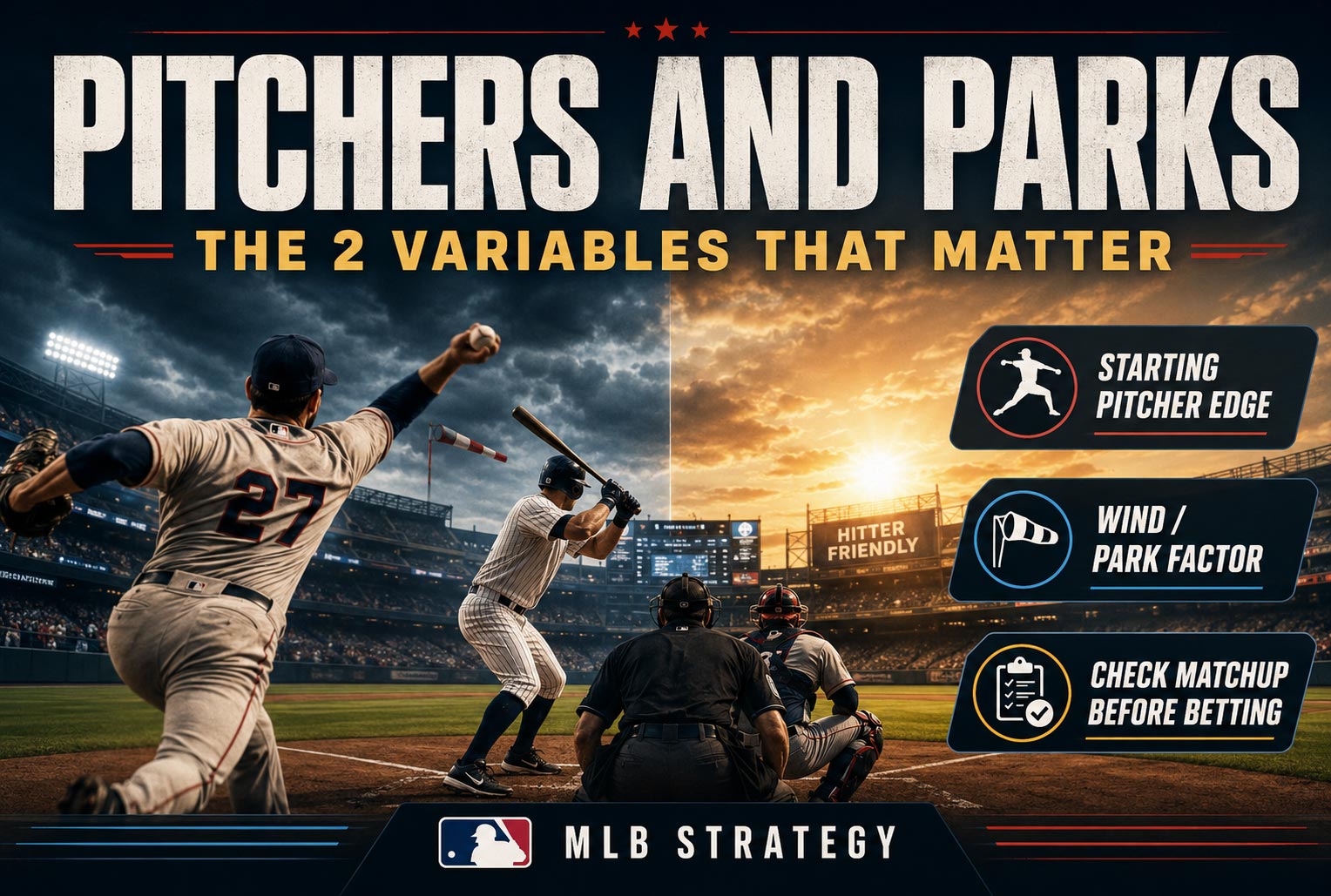
Your buddy just texted you that he’s hammering the Yankees tonight because "they’re the Yankees, bro." Cool story. Let me guess—he also orders the most expensive wine because the bottle looks fancy and buys Tesla stock because Elon tweets funny memes. Here’s the thing about MLB betting that separates the guys cashing tickets from the ones Venmo requesting their roommates for rent money: the name on the jersey means absolutely nothing. Zero. Zilch. I don’t care if it’s the Dodgers, the Astros, or the freaking 1927 Murder’s Row—if you’re betting based on brand recognition, you’re basically setting your money on fire and expecting it to grow. The beautiful thing about baseball is that it’s the most pitcher-dependent, park-dependent sport we have, which means there’s actual edge to be found if you’re willing to look past the logo. Let’s break down why your emotional attachment to pinstripes is costing you money.
Team Logos Don’t Hit Fastballs: What Actually Matters
Every MLB game starts with one fundamental truth: a guy standing 60 feet, 6 inches away is trying to throw a ball past another guy holding a stick. That’s it. That’s the whole game distilled down. The "Yankees" aren’t batting tonight—Aaron Judge and some combination of nine other dudes are batting against whoever’s on the mound, and that matchup is literally the only thing that matters for the first six innings.
Starting pitcher analysis isn’t some advanced sabermetric wizardry reserved for MIT grads. You need to check three things: recent velocity trends (is this guy’s fastball down 2 mph from last month?), matchup history against this specific lineup, and what inning he typically falls apart. A washed-up "ace" on the Mets is still washed up, even if the broadcast keeps showing his Cy Young from 2019. Meanwhile, some rookie no one’s heard of on the Royals might be throwing 98 with a disgusting slider that plays perfectly against a right-handed heavy lineup.
The public bets names. Sharp bettors bet arms. I’ve seen guys in my old operation lose thousands on "good teams" starting a fifth starter on short rest while completely ignoring a lights-out pitcher on a rebuilding squad. The odds don’t care about your childhood memories of watching Derek Jeter—they care about whether Spencer Strider’s spin rate is up or down and if he’s facing a lineup that historically chases breaking balls out of the zone.
Why Stadium Factors Beat Brand Names Every Time
Wrigley Field on a windy afternoon is a completely different game than Petco Park on a calm night, and if you’re not checking the weather and park factors before placing your bet, you’re literally giving away money. The thin air in Colorado turns warning track fly balls into home runs—there’s a reason the over hits 60% of the time at Coors Field. Meanwhile, Oracle Park in San Francisco is where offense goes to die, with marine layer air so thick it could stop a bullet.
Wind direction in Chicago isn’t some cute trivia—it’s the difference between the under at 8.5 runs and a game that finishes 12-9. When the wind’s blowing out at Wrigley at 15+ mph, even terrible hitters turn into prime Barry Bonds. The books adjust for this, obviously, but the public still hammers "good pitchers" without checking if Mother Nature is about to make them look like they’re throwing batting practice. Same thing goes for humidity in Atlanta, marine layers in Seattle, and that ridiculous short porch in Yankee Stadium that turns routine fly balls into home runs.
Here’s where the edge comes in: books set lines based on team names first, park factors second. They know the public in New York is going to bet the Yankees regardless, so they shade the line knowing they’ll get action anyway. But if you’re checking that the wind’s blowing in at 20 mph and a ground ball pitcher is on the mound, suddenly that team total under becomes the sharpest play on the board. Stadium factors are predictable, quantifiable edges that casual bettors completely ignore because they’re too busy betting the logo.
The fastest way to spot a losing bettor is watching them fire off bets based on team records and brand recognition while completely ignoring the two variables that actually determine baseball games. Your uncle who keeps betting the Red Sox because "they’re due" is going to keep funding your book’s profit margin until he learns that baseball is a game of individual matchups played in wildly different environments. Meanwhile, the guy who’s checking starting pitcher velocity trends, lineup splits against specific pitch types, and whether the wind’s blowing out in Cincinnati is going to be the one actually cashing tickets. It’s not sexy to spend fifteen minutes researching park factors and pitcher arsenals, but neither is being broke. So next time someone tells you they’re betting a team because "they’re good," ask them who’s pitching and where the game’s being played—their blank stare will tell you everything you need to know about why they lose.
What’s the worst "team name" bet you’ve ever made? Drop it in the comments—I guarantee someone’s got a worse beat than you.
Keep reading: New to baseball betting? Start with MLB Betting 101, make sure a late swap won’t void your ticket with listed pitcher bets, then apply it all to run lines, F5 and NRFI.
WannaBet.com may receive compensation from the sportsbooks mentioned in this post if you sign up using our links. This doesn’t cost you a dime, but it keeps the lights on. Please bet responsibly. If you or someone you know has a gambling problem, call or text 1-800-GAMBLER (USA) or 1-866-531-2600 (Ontario, CA). 21+ only.

4 comments on "Why Team Names Mean Nothing in MLB Betting"